
Thursday, January 30, 2020


Sunday, November 3, 2019


Saturday, November 2, 2019
海外华人列国
从13世纪到18世纪,不少华人成为南洋一些国家的国王。
(一)

国号:顺塔国 (Sunda Kingdom)
位置:爪哇
首都 :顺塔(雅加达)
政府 :君主制
时期 :c1279 -
c1579
开国君 :陆自立()
(二)

国号:新三佛齐王国
位置:三佛齐岛 (苏门答腊)
首都 :旧港 (Palembang)
政府 :君主制
时期 :1397 - 1470
开国君 :梁道明()
(三)

国号:飞龙国
位置:3。紧迫感 (苏门答腊)
首都 :旧港
(Palembang)
政府 :君主制
时期 :1560 -
1562
开国君 :张琏(广东省潮州)
(四)

国号:吞武里王国
位置:暹罗
首都 :吞武里
(Thonburi)
政府 :君主制
时期 :1767 -
1782
开国君 :郑昭(广东潮汕)
(五)

国号:马来吴氏王国
位置:暹逻南部
首都 :宋卡 (Songkhla)
政府 :君主制
时期 :1775 -
1904
开国君 :吴阳(福建漳州府海澄县)
(六)
 国号:兰芳共和国
位置:西加里曼丹 (Western Kalimantan)
首都 :坤甸 (Pontianak)
政府 :公司共和国
时期 :1777 -
1884
开国君 :罗芳伯(广东嘉应州)
(七)

国号:戴燕王国
位置:加里曼丹 昆甸以西
首都 :戴燕 (Tayau)
政府 :君主制
时期 : 1783 – c1853
开国君 :吴元盛(广东嘉应州梅县)
(八)

国号:纳土纳岛国王
位置:纳土纳群岛
首都 :纳土纳岛 (Natuna)
政府 :君主制
时期 : 1601 -
1882
开国君 :张杰绪(广东潮州)
Thursday, October 31, 2019
兰芳共和国

1770年,广东嘉应(今梅州市梅县区)客家人罗芳伯在东南亚西婆罗洲(今西加里曼丹)坤甸 (Pontianak) 成立了“兰芳公司”,1777年罗芳伯将“公司”片面改为“共和国”,即公司共和国,但向清朝称臣时仍使用“兰芳公司”。
兰芳共和国建立时,第一任总制是陈兰伯,第二任总制是罗芳伯,因此又称为“兰芳大统制共和国”;亦有人因第二任总制罗芳伯而称其为“芳伯共和国”。
兰芳大统制共和国以坤甸或东万律为首都,并将立国之年(1777年)定为“兰芳元年”。国家元首称“大唐总长”或是“大唐客长”,意思是华人作客海外的首长,且“国之大事皆众议而行”,以类似于民主选举和禅让的形式传承。前后历任十二位总长。
1884年,兰芳公司被荷兰东印度公司击败而灭亡,残余势力逃至苏门答腊。逃往苏门答腊的部分华人随后往东北边迁徙,并于马来半岛定居。
兰芳共和国从立国至灭亡,共经历一百零七年。
 |
| 国旗 |
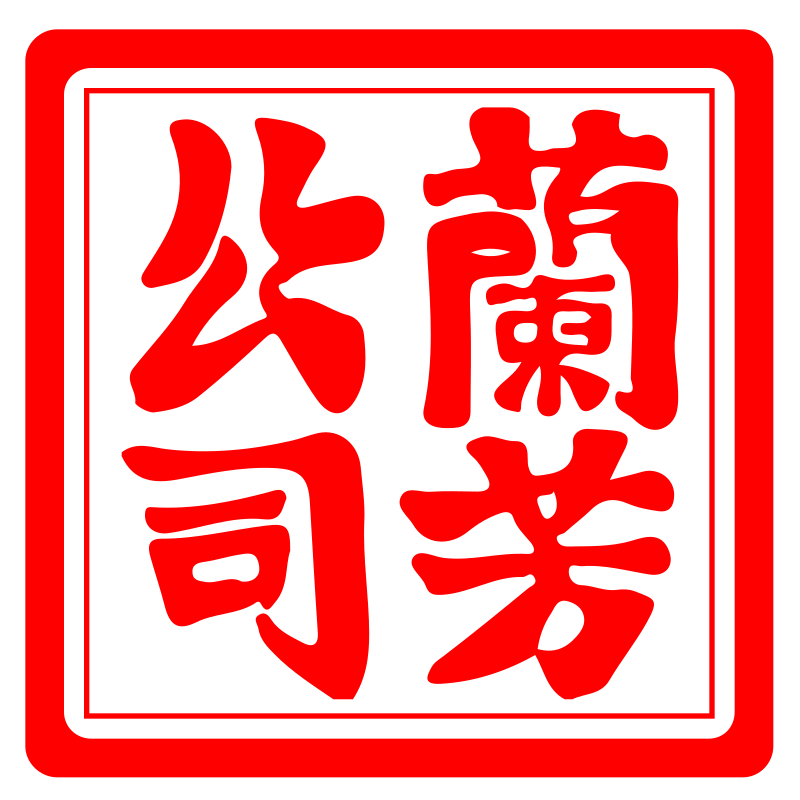 |
| 印章 |
历任总长
1777-1795罗芳伯
1795-1799江戊伯
1799-1804阙四伯
1804-1811江戊伯
1811-1823宋插伯
1823-1938刘台二
1838-1842古六伯
1842-1843谢桂芳
1843-1945叶腾辉
1845-1848刘乾兴
1848-1876刘阿生
1876-1880刘亮官
1990-1884刘阿生

參考書目
1793, 8th June 《The
Times》
1820谢清高《海录》
1901 吴宗焯《嘉应州志》
1905梁启超 《中国殖民八大伟人传》
1943溫雄飛《南洋華僑通史》。
1961羅香林《西婆羅洲羅芳伯等所建共和國考》
1985溫廣益《印度尼西亞華僑史》
1995巫樂華《南洋華僑史話》
2005張永和&張開源《羅芳伯傳》
Saturday, October 26, 2019
Classical’s Hippocratic Oath
I swear by Apollo Physician and
Asclepius and Hygieia and Panaceia and all the gods and goddesses, making them
my witnesses, that I will fulfill according to my ability and judgment this
oath and this covenant:
To hold him who has taught me this art
as equal to my parents and to live my life in partnership with him, and if he
is in need of money to give him a share of mine, and to regard his offspring as
equal to my brothers in male lineage and to teach them this art—if they desire
to learn it—without fee and covenant; to give a share of precepts and oral
instruction and all the other learning to my sons and to the sons of him who
has instructed me and to pupils who have signed the covenant and have taken an
oath according to the medical law, but no one else.
I will apply dietetic measures for the
benefit of the sick according to my ability and judgment; I will keep them from
harm and injustice.
I will neither give a deadly drug to
anybody who asked for it, nor will I make a suggestion to this effect.
Similarly I will not give to a woman an abortive remedy. In purity and holiness
I will guard my life and my art.
I will not use the knife, not even on
sufferers from stone, but will withdraw in favor of such men as are engaged in
this work.
Whatever houses I may visit, I will come
for the benefit of the sick, remaining free of all intentional injustice, of
all mischief and in particular of sexual relations with both female and male
persons, be they free or slaves.
What I may see or hear in the course of
the treatment or even outside of the treatment in regard to the life of men,
which on no account one must spread abroad, I will keep to myself, holding such
things shameful to be spoken about.
If I fulfill this oath and do not
violate it, may it be granted to me to enjoy life and art, being honored with
fame among all men for all time to come; if I transgress it and swear falsely,
may the opposite of all this be my lot.
1964’s Hippocratic Oath
I
swear to fulfill, to the best of my ability and judgment, this covenant:
I
will respect the hard-won scientific gains of those physicians in whose steps I
walk, and gladly share such knowledge as is mine with those who are to follow.
I
will apply, for the benefit of the sick, all measures [that] are required,
avoiding those twin traps of overtreatment and therapeutic nihilism.
I
will remember that there is art to medicine as well as science, and that
warmth, sympathy, and understanding may outweigh the surgeon's knife or the
chemist's drug.
I
will not be ashamed to say "I know not," nor will I fail to call in
my colleagues when the skills of another are needed for a patient's recovery.
I
will respect the privacy of my patients, for their problems are not disclosed
to me that the world may know. Most especially must I tread with care in
matters of life and death. If it is given me to save a life, all thanks. But it
may also be within my power to take a life; this awesome responsibility must be
faced with great humbleness and awareness of my own frailty. Above all, I must
not play at God.
I
will remember that I do not treat a fever chart, a cancerous growth, but a sick
human being, whose illness may affect the person's family and economic
stability. My responsibility includes these related problems, if I am to care
adequately for the sick.
I
will prevent disease whenever I can, for prevention is preferable to cure.
I
will remember that I remain a member of society, with special obligations to
all my fellow human beings, those sound of mind and body as well as the infirm.
If
I do not violate this oath, may I enjoy life and art, respected while I live
and remembered with affection thereafter. May I always act so as to preserve
the finest traditions of my calling and may I long experience the joy of
healing those who seek my help.
Monday, October 7, 2019


Subscribe to:
Posts (Atom)